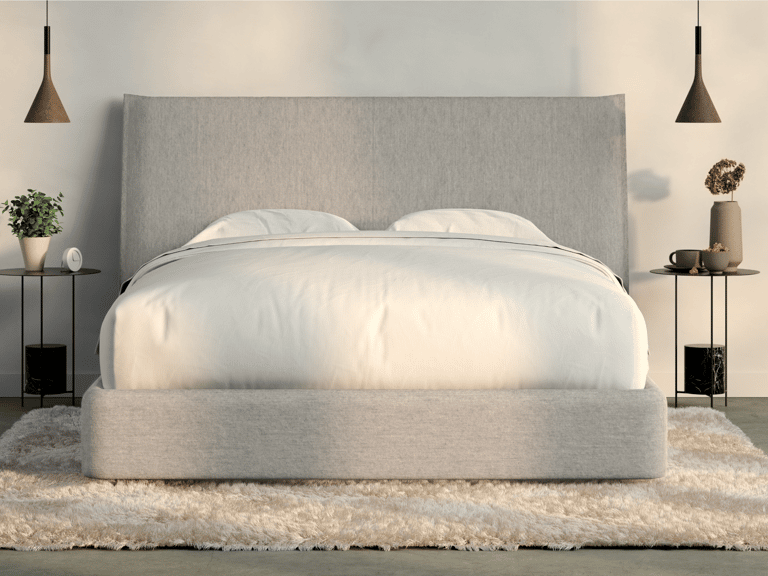
Furniture categories encompass a wide range of components designed to support daily living, with emphasis on durability, comfort, and indoor air quality. This overview highlights materials, construction methods, and ergonomic considerations that influence long-term usability of pieces such as beds, frames, and foundational supports. Understanding how items integrate with bedding systems helps optimize rest and room function while aligning with sustainable design practices.
In the realm of steady sleep surfaces, bed frames and foundations play a critical role in maintaining mattress performance and spinal alignment. Key features include solid joinery, slat support, and appropriate weight capacity. Selecting appropriate frame geometry and support helps distribute weight evenly, reducing wear on mattresses and enhancing overall comfort for varied sleepers.
Among recognized products in this category is the Savvy Rest Afton Platform Bed, which combines a low-profile, solid wood construction with a contemporary silhouette. Its platform bed design eliminates the need for a box spring, providing stable, uniform support that complements memory foam, latex, and organic mattress types while contributing to a clean, minimalist bedroom aesthetic.
In addition to frames, the category covers components that affect sleep surfaces and airflow, such as breathable slats, moisture management, and easy maintenance. Materials like natural wood and low-VOC finishes support healthy indoor environments. Coupled with compatible bedding options such as organic mattresses, pillows and sheets, the setup fosters sustainable comfort.
Overall, the furniture category emphasizes compatibility, durability, and ergonomic suitability for diverse sleep preferences. By considering dimensions, load distribution, and material choices, consumers can achieve stable sleep foundations, optimize support for memory foam pillows and other bedding components, and sustain long-term bedroom function and comfort.
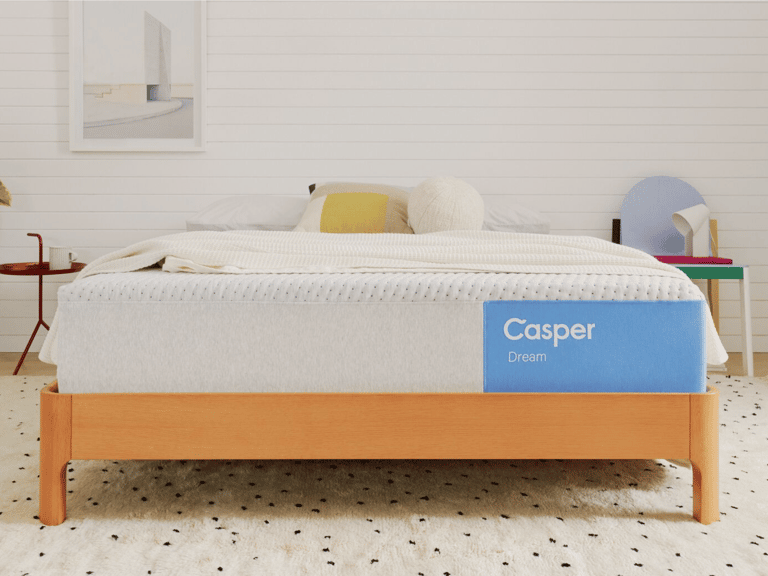 Furniture