Mattress Buying Guide
How to Evaluate an Organic Mattress: Materials, Certifications, and Fit
“Organic” can be a meaningful description of a mattress, but it is not a shortcut to understanding the whole product. Look past the headline claim to examine which materials are certified, how the mattress is constructed, and whether its support and feel suit the person who will sleep on it.
Shopping for an organic mattress often begins with a desire for clarity: fewer unexplained materials, more confidence about sourcing, or a sleep surface that aligns with particular values. Yet the word “organic” can appear on a label in several ways. It may refer to one fiber, a specific component, or a certified portion of the finished mattress—not necessarily every layer from cover to support core.
A careful evaluation is therefore part materials investigation and part comfort assessment. Certifications and documentation can help you understand what is in the mattress and how certain claims have been verified. Construction details reveal how those materials work together. And fit—your body, sleep position, preferred firmness, bed base, and room—determines whether the mattress feels right in daily use.
The aim is not to find a perfect label or a universally ideal mattress. It is to make a considered choice with enough reliable information to compare options, ask useful questions, and distinguish specific evidence from broad marketing language.
Begin with the word “organic”
Organic usually describes how an agricultural material is produced and processed under a defined standard. In mattresses, the term most often relates to fibers such as cotton or wool, though product claims and certification scope differ. A mattress may contain an organic cotton cover, for example, while its comfort layers or support core are made from other materials.
That distinction matters because mattresses are layered products. The outer ticking, quilting, comfort materials, fire barrier, adhesives, and support core may each have different compositions and sourcing histories. One certified component does not automatically mean that every component—or the complete mattress—has been certified to the same standard.
When a product description uses the word organic, look for a precise explanation. Does the claim identify the material? Is it clear whether the claim covers the fiber, the processing, a particular component, or the finished product? Can the maker provide a certificate or other documentation that names the product or relevant supply chain? Specific answers are more useful than a prominent badge without context.
Also keep “natural,” “organic,” and “chemical-free” separate in your mind. They are not interchangeable terms, and broad descriptions may not reveal the exact composition or processing of a mattress. Ask for material names and construction details rather than relying on a single adjective. If a claim seems sweeping, look for a clearly stated scope and supporting evidence.
Map the mattress from cover to core
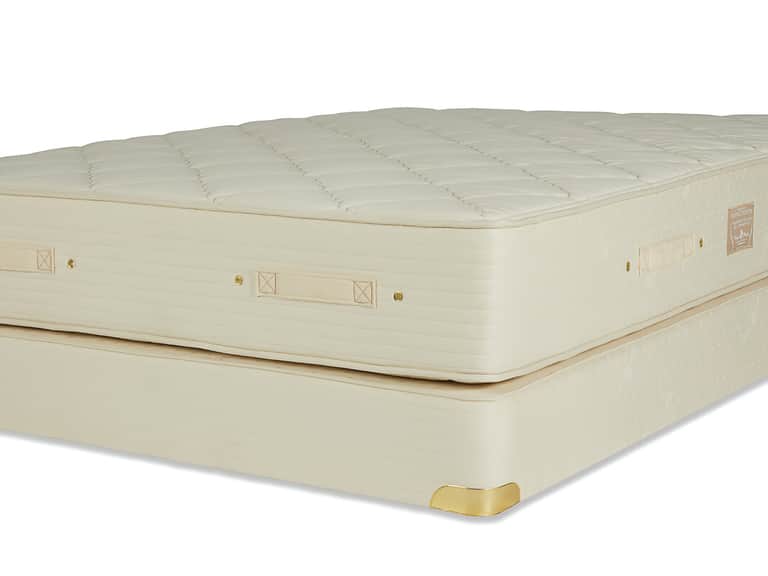
A simple layer-by-layer inventory makes comparison easier. Request a materials list that describes the cover, quilted surface, comfort layers, transition layers, support core, and any fire barrier. Find out how the layers are joined and whether the manufacturer discloses adhesives, treatments, or other relevant components. Documentation may vary by maker, but a transparent explanation should let you understand what the mattress is made of.
Cover and ticking
The cover is the fabric you feel first. It may be cotton, wool, a blend, or another textile, and it can be quilted with additional fibers or padding. Check whether an organic claim applies to the cover fabric alone or to the fiber more broadly. Ask whether the cover is removable, whether it can be washed, and what care instructions apply. A cover that cannot be removed may still be entirely suitable, but cleaning expectations should be clear before purchase.
Comfort and transition layers
These layers influence pressure relief, contouring, resilience, and how readily the mattress responds as you move. Materials commonly used in this part of a mattress include latex, wool, cotton, and various foams. Each has a different feel and performance profile; the name of a material does not, on its own, tell you whether you will find the surface soft, buoyant, close-contouring, or firm.
Look for thickness and placement as well as material identity. A thin layer near the surface may affect initial comfort, while a deeper layer can shape the way the mattress supports your body. When descriptions use terms such as “plush,” “responsive,” or “pressure relieving,” ask how the construction produces that sensation and, if possible, test it yourself.
Support core
The support core provides the foundation of the mattress. Depending on design, it may use latex, coils, foam, or another system. The core affects stability, edge feel, motion transfer, and the way the mattress performs on a particular base. Check its material and dimensions, then confirm that the maker approves your intended bed frame or foundation.
Fire barrier and joining materials
Mattresses are subject to fire-safety requirements, and their manufacturers use different approaches to meet them. Ask what forms the fire barrier and whether the maker identifies any adhesives or treatments used in assembly. A natural fiber used as a barrier should not be assumed to mean that every other component is untreated or certified. Clear, product-specific documentation is the most reliable way to understand the construction.
Read certifications by scope, not by symbol
Certifications can add useful independent verification, but each standard evaluates particular materials, processes, or product attributes. A certification is not a general guarantee that a mattress is organic in every part, will suit every sleeper, or will last a particular number of years. Read what the certification actually covers and make sure the documentation relates to the product you are considering.
On a label or product page, note the certifying organization, the standard or program name, and the scope of the claim. Check whether it applies to raw fiber, processed material, a component, or the finished mattress. If a certificate is available, look for a product name or reference that corresponds to the mattress rather than assuming that a manufacturer’s certification applies automatically to every item it makes.
Some certifications address organic fiber content or chain-of-custody requirements; others focus on chemical emissions, restricted substances, or production practices. These categories answer different questions. A standard concerning emissions, for instance, should not be read as proof of organic agricultural sourcing. Conversely, evidence about organic fiber does not necessarily describe the emissions profile of the complete product.
- Identify the exact claim. Is the claim about a fiber, fabric, component, or finished mattress?
- Check the standard’s purpose. What does it evaluate, and what does it leave outside its scope?
- Match the document to the product. Confirm that the certificate or listing is relevant to the model and materials being sold.
- Ask about percentages and blends. If a material is blended, find out which fibers are included and how the organic portion is represented.
- Separate verification from performance. A certification does not tell you whether the mattress has the firmness, temperature feel, or support you need.
Be wary of vague badges that are not accompanied by a named standard or a way to verify the claim. A responsible seller should be able to explain what has been certified in plain language. If that explanation remains unclear after you ask, treat the claim as incomplete rather than filling in the gaps yourself.
Understand the materials in practical terms
Material choice is not simply a contest between natural and synthetic. It is a question of how a particular construction feels, functions, and fits your priorities. Organic sourcing may be important to you, but the finished mattress still needs to provide comfortable, appropriate support.
Cotton
Cotton is often used in covers and quilted layers. Its hand, weight, weave, and position within the mattress affect the experience more than the fiber name alone. Ask whether the cotton is certified organic, where the claim applies, and how the fabric should be maintained. The cover’s construction can also influence breathability and surface texture.
Wool
Wool may be used in quilting or in a barrier layer. Its placement and quantity matter: a light quilted layer will feel different from a substantial comfort layer. Find out whether the wool is certified, how it is processed, and whether it requires special care. If you have a wool sensitivity or other material concern, request precise composition details and consult an appropriate health professional when needed.
Latex
Latex can have a springy, buoyant feel and is used in comfort layers or a full support core. Product descriptions may refer to natural latex, synthetic latex, or a blend, so verify the stated composition rather than relying on a broad label. Ask about the manufacturing method, layer density or firmness information when available, and whether the latex is certified under any relevant program. If you have a latex allergy, seek medical advice and request detailed product information before making a decision.
Other foams and blended materials
Some mattresses include foam layers, textile blends, or other components alongside natural materials. Their presence does not automatically determine whether a mattress is suitable or unsuitable; what matters is knowing what is included and whether it matches your priorities. Ask the manufacturer to identify each layer and explain any material claims precisely.
Make comfort and support part of the evaluation
A mattress can have carefully documented materials and still be a poor match for your body. Comfort is personal, and the words used to describe firmness are not perfectly standardized across manufacturers. One company’s medium may feel quite different from another’s. Treat firmness descriptions as a starting point, then assess the mattress in the conditions that most closely resemble your normal sleep.
Your sleep position can help guide that assessment. Side sleepers often pay close attention to cushioning at the shoulder and hip, while back sleepers may prioritize a balanced feel that supports the lower back without excessive sinking. Stomach sleepers may prefer a more supportive surface that helps prevent the midsection from sinking too deeply. These are general considerations, not rules: body shape, weight distribution, mobility, and personal preference all influence the result.
If you share a bed, test the mattress together when possible. Consider motion transfer, differences in preferred firmness, and whether both sleepers have sufficient space. Edge support may matter if you sit on the side of the bed or use most of its surface. For people who sleep warm, consider not only the material names but also the cover, quilting, mattress depth, bedding, and bedroom climate.
Allow enough time to assess a mattress under realistic conditions. Ask about any adjustment period, trial policy, return costs, and requirements for keeping the mattress eligible for return. A trial is only useful when its terms are understandable and practical. Write down the details before buying rather than relying on a general promise of satisfaction.
Check fit with the bed, the room, and the routine
“Fit” means more than choosing a familiar size. Measure the bed frame and bedroom, confirm the mattress dimensions, and account for the route through doorways, stairs, and corridors. Consider mattress height as well: a deep mattress paired with a thick foundation can make getting in and out less comfortable or leave fitted sheets with insufficient pocket depth.
The base matters, too. Confirm the required slat spacing, center support, foundation type, and any limitations on adjustable bases. A mattress designed for one type of support may not perform as intended on another. If you plan to use an existing frame, provide its specifications to the mattress maker and ask for confirmation in writing.
Care is another part of fit. Some mattresses require rotation, a particular foundation, or specific cleaning methods. Others cannot be flipped or may have a non-removable cover. Read the care instructions before purchase, especially if you have pets, children, allergies, or a household routine that makes frequent cleaning important. A product you can maintain appropriately is more likely to remain a practical choice.
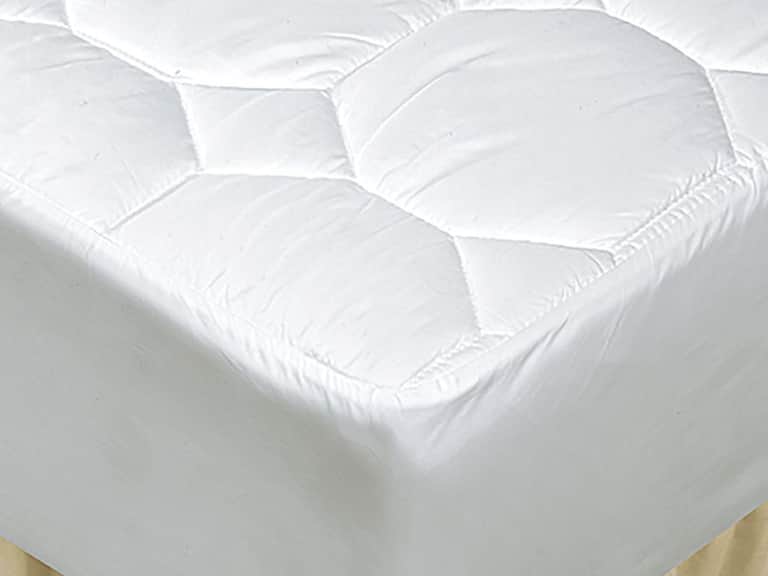
For sleepers who want to add a cushioning or protective layer, distinguish a mattress pad from a mattress protector. A pad primarily changes surface feel, while a protector is intended to guard against spills and everyday wear; specific features vary by product. Either can alter the feel or warmth of the sleep surface, so check its materials, fit, and care requirements rather than assuming it will leave the mattress unchanged.
Compare warranties, trials, and long-term value
Warranty language can sound reassuring, but it is not a promise that the mattress will feel comfortable for its entire life. Review what defects are covered, how the maker defines a qualifying issue, and what exclusions apply. Check whether the warranty requires a particular base, intact law labels, or proof of purchase. Understand who pays transportation or handling costs if a claim is made.
Compare the sleep trial and return policy separately from the warranty. The trial describes an opportunity to assess comfort; the warranty generally addresses specified product issues. Ask when the trial begins, whether a minimum adjustment period applies, whether return fees are charged, and whether the mattress must remain in a certain condition. Keep written copies of the terms and purchase documentation.
Price should be considered alongside construction, evidence, service, and durability expectations—not as a substitute for them. A higher price does not prove that a mattress is more organic or more comfortable. Equally, a lower price is not enough to establish that materials are poorly made. Evaluate the specific product and the transparency of its documentation rather than using cost as a proxy for quality.
Questions to ask before you decide
Clear answers to a short set of questions can reveal whether a product is a genuine match for your needs. A helpful seller should be able to explain the mattress without relying on pressure or imprecise superlatives.
- Which parts of this mattress are certified organic, and what standard verifies each claim?
- Can I review documentation that corresponds to this exact model?
- What are the cover, comfort layers, support core, and fire barrier made from?
- Are any materials blended, treated, or joined with adhesives, and where can I find those details?
- What firmness options are available, and how does the construction differ between them?
- What foundation or slat spacing does the manufacturer require?
- How should the mattress be cleaned, rotated, or otherwise maintained?
- What are the exact terms, fees, and conditions for a sleep trial, return, or warranty claim?
A considered choice, not a label alone
The most useful organic mattress buying guide begins with specificity. Identify the materials in every layer, find out which claims are supported by which certifications, and distinguish sourcing evidence from comfort or performance promises. Then test those facts against the practical realities of sleep: your position, preferred firmness, sensitivities, bed base, room dimensions, and care routine.
There is no single mattress that is right for everyone, and there is no one certification that answers every question a shopper might have. A transparent product description, verifiable documentation, clear policies, and a comfortable test are more valuable together than any one claim in isolation. With a calm, methodical approach, you can choose a mattress on the strength of what it contains and how well it fits—not simply what its label suggests.
Quick evaluation checklist
- Get a layer-by-layer materials list.
- Confirm exactly which materials or components are certified.
- Verify that certification documents relate to the specific mattress model.
- Test firmness and support in your usual sleep positions.
- Check compatibility with your frame or foundation.
- Review care instructions, trial terms, return costs, and warranty exclusions.