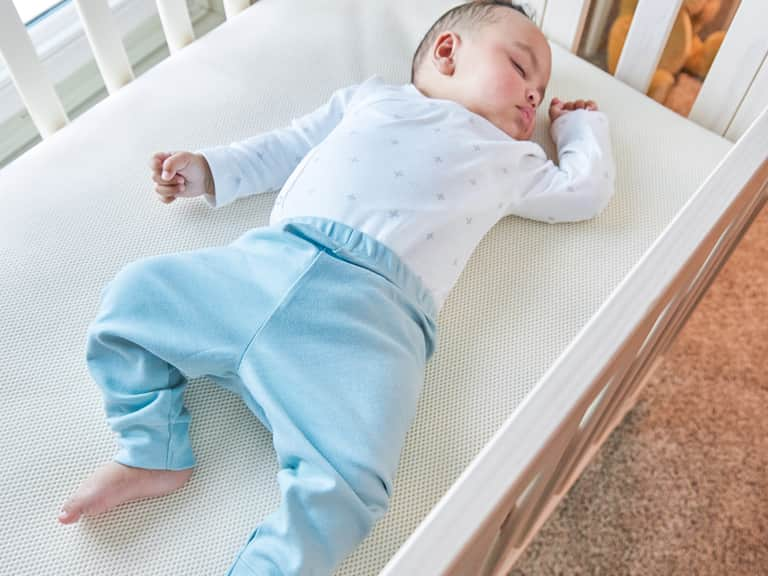
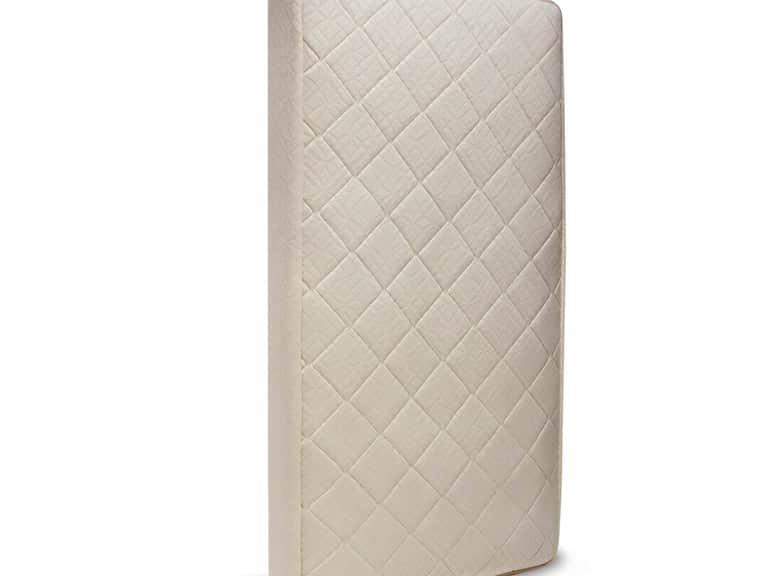
Crib mattresses provide a supportive sleep surface sized for an infant’s crib, making dimensions and a secure fit important considerations. A mattress should lie flat without gaps along the edges, and its firmness and construction should suit the crib and its intended use. These features distinguish crib bedding from pillows and other sleep accessories.
Materials and construction vary among crib mattresses, including options made with organic components. Families comparing organic mattresses can review material descriptions, certifications, cover fabrics, and care instructions to understand how each product is made. Breathable, washable, or water-resistant covers may affect everyday maintenance, while the mattress core determines its overall support and feel.
The Obasan Organic Crib Mattress is an example of an organic crib mattress designed for an infant sleep space. Its organic-material focus may be relevant to caregivers evaluating material choices in nursery bedding. Reviewing its stated dimensions, firmness, construction, and cleaning guidance helps determine compatibility with a particular crib and household care needs.
The Naturepedic Organic Mini Crib Mattress is intended for mini cribs, which use a smaller mattress size than standard cribs. Its organic positioning can help inform comparisons of materials and construction, while its dimensions are central to proper fit. Checking the specific crib’s measurements and the mattress product details supports safe, practical selection.
Crib mattresses are distinct from adult bedding, sheets, and pillows, including memory foam pillows, because they are made for infant sleep environments and specific crib dimensions. Use only a fitted sheet sized for the mattress, follow manufacturer care and safety instructions, and check that the mattress remains securely positioned without gaps.
 Nursery